What is off-grid?
“Living off-grid is when a household becomes entirely energy independent – in other words, no longer reliant on the UK National Grid. The grid provides most UK homes with warmth, electricity, and hot water”
The Eco Experts
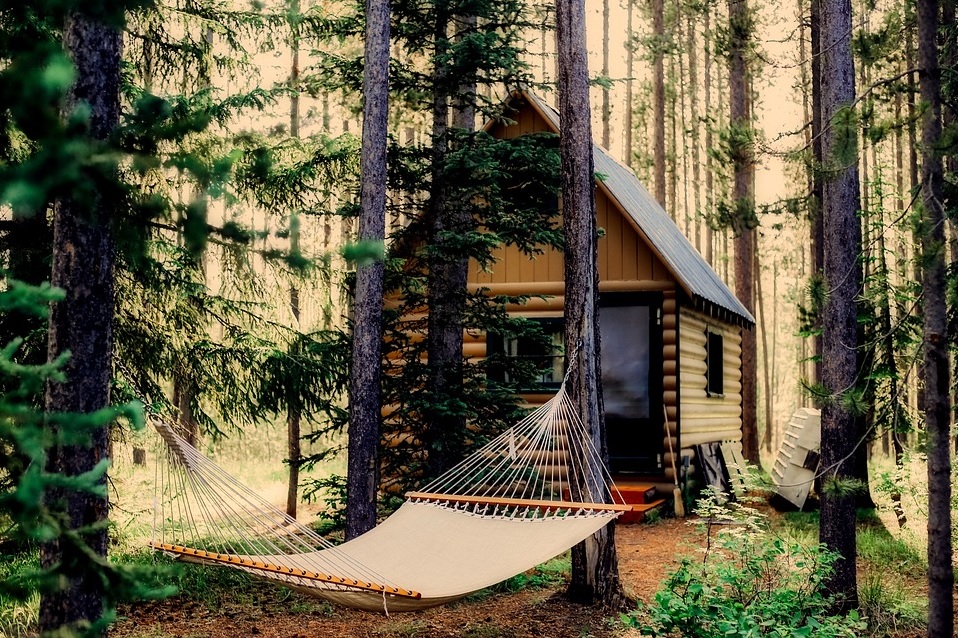
“Living off the grid is on the rise in the UK, with around 75,000 people living in more than 25,000 off-grid homes, ranging from caravans and cabins through to cob houses and modern eco-homes. Off-grid means different things to different people – from living in a home without a mains power supply to leaving conventional society altogether, and lots of variations in between – but the one thing most off-grid converts have in common is a desire to follow a simpler and more sustainable lifestyle”
Templant.co.uk
Off-grid in practice
What off-grid living might look like:
- Generating your own electricity, preferably from renewable sources (e.g. solar, wind, hydro power) and possibly with battery storage and/or generator backup
- Having the right equipment or technology for heating (e.g. biomass, heat pump etc)
- Having a source of firewood for cooking / heating
- Having a source of water and water treatment (e.g. rainwater collection, borehole etc)
- Growing your own food, towards self sufficiency
- Dealing with your waste and sewage (e.g. composting toilet, grey water recycling, reedbed systems etc )
- An emphasis on repair and restore, rather than consumerism
Some people may also wish to have an off-grid livelihood, such as a farm, smallholding or other land-based business (e.g. campsite). This reduces the need to travel to a place of work.
Benefits
There are some obvious potential benefits of an off-grid lifestyle, including a lower carbon footprint, reducing the burden on the ‘grid’, health and wellbeing benefits and a sense of independence. There may also be financial benefits e.g. not having utility bills to pay. And – depending on where you’re living – you may get to live closer to nature and more in-tune with the natural environment.
Disbenefits
To balance the equation, off-grid living may mean living in a more isolated location away from friends and family, and shops and amenities, and without some of the creature comforts of on-grid living. It may also be harder work to maintain your off-grid lifestyle, as there’s a certain emphasis on personal responsibility (or autonomy) rather than paying for services provided by others.
Videos
External links
Off Grid Starter – Step-by-step guide
The Eco-Experts – Off-grid guide
The Smart Survivalist – Off-grid living
Related pages
This page is for informational purposes only and should not be taken as advice or recommendation. It may not be comprehensive or up-to-date, and may omit important regulations, policies or criteria. You should do your own research and seek professional advice as appropriate before deciding your way forward. See website disclaimer / terms of use.

 Wildhousing