What is natural building?
Natural building is the use of natural, renewable, low embodied carbon materials in construction. These materials include locally available natural fibres and abundant mineral resources, e.g. clay, straw, hemp, timber, cork, local stone, sand, lime, wool, and are used as structural fabric, insulation and finishes in buildings, both in retrofit and new build.
Natural Building UK
Types of construction
There are many types of natural building construction and natural building materials – here are some of the main examples used in the UK:
Straw bale houses – Straw is a low impact, low waste, highly energy efficient building material, and using straw bales to build new houses has a number of benefits: highly insulating, natural and healthy, low fire risk, structural soundness, robustness and durability, affordable and tried and tested.
Cob houses – Cob is said to be the most sustainable form of building – with the building materials often sourced from the site itself. Cob is a mixture of sandy sub-soil, clay and straw. It is strong, durable and breathable and Cob buildings tend to be both beautiful and affordable.
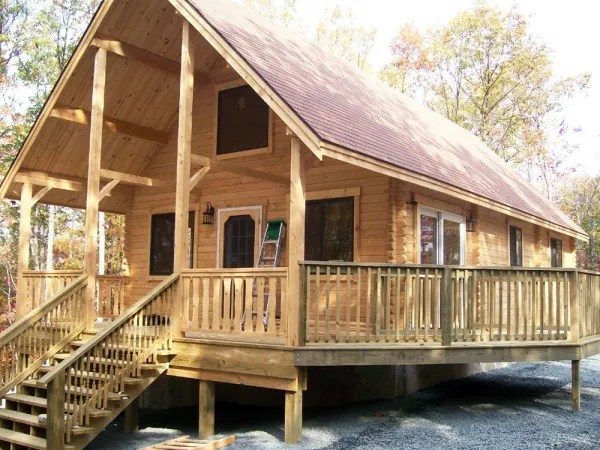
Timber homes – Timber can be used throughout a new house. In some cases, it can be used from the foundation upwards, such as in Scandinavian-style log homes. More commonly timber is used for the structural frame and for internal finishes. Timber can even be used as a roofing material, for example cedar shingles.
Earthships and earth sheltered houses – These are buildings that have earth against their walls, on their roofs, or are entirely underground. So the three main types of earth-sheltered home are: earth bermed; in-hill or earth-covered; and underground or fully recessed.
Of course, other construction methods are available, as are other natural building materials, including stone, hempcrete, lime, earth plasters, natural fibre, etc, etc.
Sources of above information: Natural Building UK, Straw Bale Building UK, Centre for Alternative Technology, cobcourses.com, lowimpact.org
Videos
External links
Centre for Alternative Technology
Related pages
This page is for informational purposes only and should not be taken as advice or recommendation. It may not be comprehensive or up-to-date, and may omit important regulations, policies or criteria. You should do your own research and seek professional advice as appropriate before deciding your way forward. See website disclaimer / terms of use.

 Wildhousing