
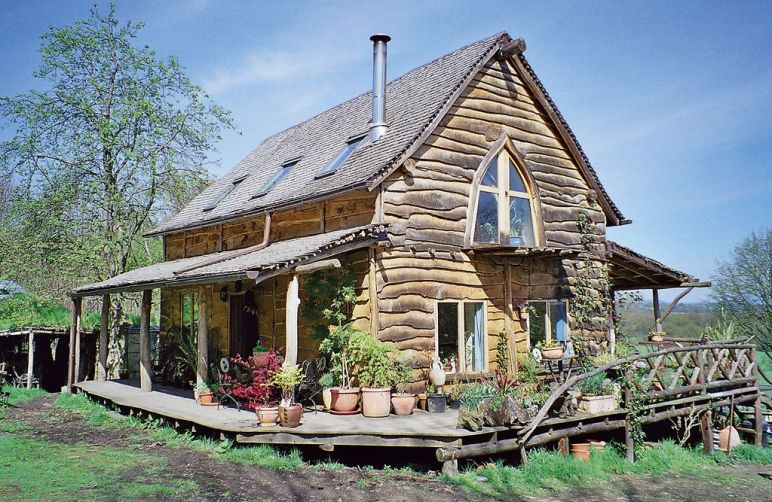
Lots of people want to live sustainable rural lifestyles.
So how can you get a new home in the countryside in a way that doesn’t break any of the planning rules?
Some people have the funds to buy a smallholding, others just want a small dwelling (or tiny home, or caravan) to call their own. Many people want to be closer to nature, and with land or a garden to grow some of their own food.
We’ve listed a number of ways in which – working within the planning system in England and Wales – a new dwelling could be established in a countryside location…
- Buy (or rent) an existing rural dwelling – this is for those able to do so, and doesn’t result in a “new” home as such. However, particularly for those buying a property, there may be scope for it to be refurbished or extended. Or, if it’s in a poor condition, it may be possible to get consent to demolish and rebuild. Obviously the bigger the garden or the more land that comes with the property, the higher the price will be. Alternatively, allotments can sometimes be available nearby.
- Buy a plot of land with planning permission – plots of land with planning permission for single or multiple dwellings are occasionally put up for sale. This can allow purchasers to self-build (or commission) their own home. If only outline consent has been granted, there is some leeway to design your own home. Obviously, the costs of both plot purchase and construction need to be factored in. Sometimes plots of land with planning permission (or a certificate of lawfulness) for the siting of a caravan come up for sale, but check what consent is in place and any conditions that may apply. See: Caravans page.
- Acquire a building and convert it into a home – for example the classic barn conversion, or a change of use of a commercial building of some kind. Some buildings are sold with planning permission to convert. With others you’d need to apply for permission, and it would be prudent to check out the local planning policies on re-use and conversion before buying the building. Alternatively, there are some ‘permitted development rights‘ in England.
- Acquire land and apply for planning permission – this can be a more speculative route and is very dependent on the local planning policies – sometimes there is scope for a new dwelling in or adjacent to a settlement, or for a development of solely self build or affordable homes, particularly in sustainable locations (e.g. served by public transport). It pays to read up on the planning policies before acquiring the land, and see what might be possible.
- Acquire land and apply for a rural worker’s dwelling –similar to the above option but for those with a land-based enterprise in mind, and a farm business plan that would justify a new dwelling on the land. Successful applicants are usually required to live in temporary accommodation on the land whilst their land-based business becomes established. See: Rural workers’ dwellings for more information.
- Acquire land and apply for an OPD or low impact smallholding – similar to the above, and for those with a viable land-based business (or businesses) in mind and a willingness to comply with One Planet Development or Low Impact planning policy requirements. These currently apply in Wales, Cornwall and Dartmoor. See: One Planet Development (Wales) | One Planet Development (Cornwall) | Low impact residential development (Dartmoor)
- Promote land for development via a development plan – more of a long term option. Landowners or their agents (or developers) can ‘promote’ land to the local planning authority for development. The planning authority – when it prepares a new local plan – will consider which land allocate for housing development. Or a parish council could potentially allocate land via a neighbourhood plan. Usually this is for a group (or estate) of houses.
- Sign up to your local housing register and seek an affordable home – it may be possible to live in a new home that is part of an affordable housing scheme, on a social rented or shared ownership basis. Affordable homes are built by developers, housing associations or they can be community-led initiatives via a Community Land Trust. There are usually local occupancy criteria, with priority going to those in greatest housing need.
- Join an intentional community – for those seeking a more communal way of living, there are existing communities that may have spaces, or forming groups looking to buy a suitable property or land and set something up – see Diggers and Dreamers website. Possibilities can range from low impact / land-based communities, to cohousing projects in a rural town or village.
- Live in a camper van or touring caravan – this option is appealing, and more affordable, for many people. Often it’s more of a temporary arrangement, for example at a touring caravan site, or on a farm as a seasonal agricultural worker. Long term siting is likely to need planning permission. See Caravans page for more info.
- Acquire (or gain consent for) a gypsy or traveller pitch – this is really only an option for those able to demonstrate that they are a bona fide gypsy or traveller, and is subject to the local planning policies relevant for the site and location in question.
- Certificate of lawfulness – more of a back door route (and technically it does break the planning rules). If you establish a new independent dwelling without obtaining planning permission, and the local planning authority does not take enforcement action within a prescribed time period, then it might be possible to obtain a certificate of lawfulness. The time period in question is ten years in England, due to new legislation, however it remains as four years in Wales. To note, this route carries certain risks (of being reported by your neighbours, etc) and deliberate concealment could prejudice your chances. So, it is not therefore a recommended option.
Featured image: The Woodman’s House by Ben Law
This post is for informational purposes only. See our Disclaimer and Terms for more.

 Wildhousing